There was a time - not too long ago - when artificial intelligence was a pretty alien concept with little or no bearing on the lives of ordinary people. Fast forward a few years and now, it’s all “AI is coming to steal our jobs!” Well, this may be true to some extent, but there are a whole lot of fields that AI can’t get its (virtual) hands on … and one of these is Industrial Operations.
In this ZandaX article, we’re opening the lid and peeking inside to take a look at some of the jobs available in this sector … and how you can grab one.
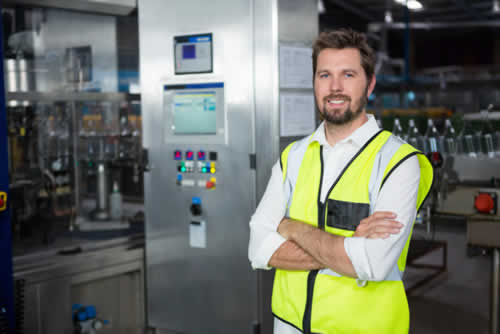
Understanding Industrial Operations Careers
First off, you need to lose the idea that the industrial sector is all about operating heavy machinery. There are many roles that come together to make sure that projects are efficient, productive, safe – and are completed to the highest standards:
Plant Operator
This job is all about keeping
a plant’s machinery going so that safety and performance standards are maintained. On a day-to-day basis, this involves checking up on what’s happening, co-ordinating maintenance, and of course troubleshooting, to make sure that performance is optimised and downtime is minimized.
Maintenance Technician
Just as it says on the tin, this job is all about carrying out maintenance to prevent issues and fixing problems when they do occur - basically doing everything necessary to keep the equipment in good nick and working as it should.
Production Supervisor
This important management-level role oversees the entire production process including employees. It also, to an extent, is something of a Project Manager role where the individual will be responsible for collating and interpreting data, delegating tasks, scheduling phases or sprints and setting targets with subsequent assessments - all while ensuring compliance to government and industry regulations.
Process Engineer
This complex and technical job usually requires a fancy degree in chemical engineering and duties include machinery design, optimising of processes, analysis of data and overseeing of project phases. The ultimate goal of this position is to turn those raw materials into shiny finished products.
Career Growth Potential
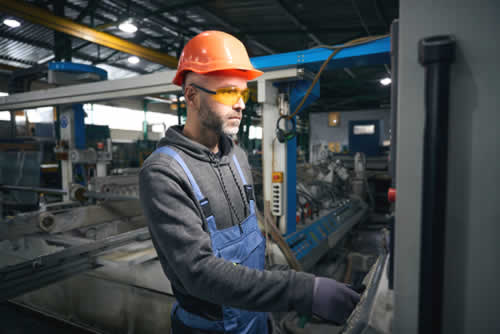
The good news is that career growth in this sector is going gangbusters - in fact, much faster than average according to official statistics. The word is that jobs in the industrial engineering industry are set to increase by 11% during the next decade - with other similar roles following a similar trend; and one that shows no sign of slowing in the near future.
Essential Technical Skills for Industrial Operations
If this sounds like something you could get onboard with, you first need to figure out whether or not you have what it takes. Most of these positions require specific skill sets and qualifications such as:
- Equipment operation and maintenance. Maintaining and operating industrial equipment is extremely important in this field, because your primary responsibility is to handle a whole variety of types of machinery. Although it must be said that since equipment differs from one company to another, you’ll likely learn the specifics on the job.
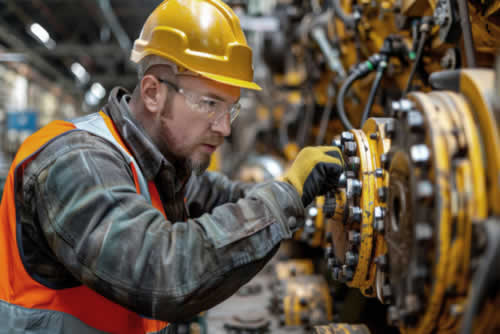
- Safety and compliance. This one’s a biggie as injury caused by industrial machinery can lead to devastating results - and massive lawsuits. Because of this, it’s essential that you are familiar with all of the necessary safety and compliance rules - and that you are able to communicate these to others.
- Production monitoring. This requires something of an analytic mind as you’ll spend a good part of your day collating and analysing data to help you to identify performance issues, make improvements and improve efficiency.
- Lean manufacturing basics. Lean manufacturing is all about cutting down on waste - both physical waste of equipment and that of time and energy. You’ll therefore need to be conversant with the ways in which waste can be minimised.
- Data and reporting tools. Here, you’ll need to be a dab hand at not just being able to handle and interpret data but to then also present it in a way that makes sense to others.
Essential Non-Technical (Soft Skills) for Industrial Operations
While there are some technical skills that you’ll need under your belt, that are also some soft skills that are just as important for success, and some of these are:
- Communication. Important in any industry but particularly in one where machines and humans need to work together, communication is of paramount importance. This is one sector in which clear, direct (and sometimes tactful) communication is a must-have.

If you'd like to learn more about communication, why not take a look at how we can help?
Boost your communication skills with our online courses.
RRP from $89 – limited time offer just
$12.99
- Time Management. Industrial Operations revolves largely around scheduling and so, needless to say, good time management can mean the difference between success and failure. Because of this, you’ll need to have great organisational skills and be comfortable working on time-sensitive projects.
- Assertiveness - Assertiveness is something that goes hand in hand with communication and is also a sign of a great leader. If you’re able to be firm but fair, this could be the industry for you.
- Teamwork. Industrial Operations relies on fantastic teamwork - particularly when working to tight deadlines. If you’re able to make yourself heard, compromise when necessary and make decisions for the team rather than yourself, you’re already half way there.
- Leadership. This is an ethereal term which can mean many different things but, here, it's all about direction, delegation and deadlines.
Digital and Technological Competencies for Building a Career in Industrial Operations
All of those soft skills will absolutely stand you in good stead but you will also need to know your way around some pretty advanced tech in your new career in Industrial Operations too - and the following are good examples of what you’ll be dealing with:
Industry 4.0 Basics
Industry 4.0 refers to the integration of new technologies, like the Internet of Things (IoT), AI, machine learning, and cloud computing, into production facilities. These technologies have wide reaching roles to play in collecting data, improving decision-making, and streamlining processes.
Automation
In today’s world, automation is a valuable tool which takes over repetitive tasks to save time and effort and these run on written code. Employers are therefore looking out for those who are fluent in a programming language like Python or JavaScript as well as having a basic grounding in AI.
Sensors and Monitoring Systems
We mentioned at the top of this article that monitoring plays a pretty big part in this sector, so you’ll need to be able to find your way around sensors and monitoring systems. These are designed to provide you with information on temperatures, pressure levels and other important factors and so, as you can imagine, are pretty darn important!
Predictive Maintenance
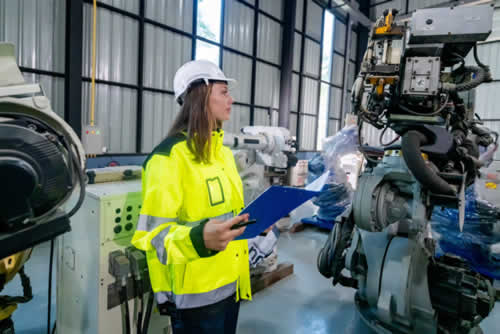
Even if you’re not aiming for the position of Maintenance Technician, you’ll be required to have a basic knowledge of predictive maintenance which helps to nip issues in the bud before they become problems and extends the lifespan of the equipment.
ERP/MES Software
The what now? I hear you cry. Enterprise Resource Planning and Manufacturing Execution Systems are both software tools used across many different processes. ERP and MES are used by engineers and managers specifically in terms of optimisation and decision making processes.
Conclusion
Well, we hope we’ve given you quite a lot to think about here and, if you’re thinking that Industrial Operations is pretty complex, you’d be right. But it’s also a very human-centric sector, so if you have some people skills and a willingness to learn, there’s no reason that you can’t have a great career in this exciting and rewarding industry.