Life is unpredictable. When we walk into the office, we see other people at desks, meetings are going on, and the coffee machine is humming in the background. It’s easy to believe that emergencies are rare, or at least won’t happen to us. But the world is a whole lot different!. Fires, natural disasters, medical emergencies, and security threats can occur without prior warning. The only thing that can save lives is preparation.

Emergency response training isn’t just a box to tick for compliance; it is important for people’s safety and wellbeing.
Emergencies Don’t Have Warnings!
People often have a misconception that they will always have time to react, but the reality is very different. Emergencies unfold quickly; a small electric fault can turn into a fire, a colleague can collapse due to medical problems, a vehile accident or even a severe weather event can occur instantly.
During emergency situations,
employees can panic and could make the wrong decisions. When people get proper emergency response training, their decisions become more instinctive. They know what to do, where to go, and how to help others.
It Turns Panic Into Purpose
During the emergency, the stress level increases, and human behavior becomes unpredictable. Some people act responsibly, while others are overwhelmed. Emergency response reduces uncertainty and gives people a clear sense of what to do.
When someone knows the evacuation route, understands safety protocol, and knows about where the emergency equipment is and what it does, they’re prepared. Training turns confusion into coordination: fear into focus, if you like.
The most important result you’ll get will be a shift from panic into purpose.
What Matters Most Is Protecting People
People are the heart of any organization. So they need to know not only how to protect themselves, but also their colleagues.
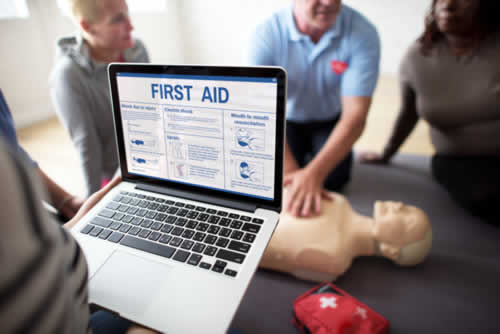
Simple safety skills like CPR, first aid, and the use of a fire extinguisher can make a difference. Many companies also encourage their staff to complete programs like those offered by
CPR certification online HQ to build confidence and improve readiness for emergency response. Trained employees won’t be medical experts, but they will be able to provide critical early response until professional help arrives.
Emergency situations can lead to serious injuries, damage to property, and so on. Trained employees help to minimize these risks. Think about it: even small actions like CPR and closing doors during a fire can significantly reduce damage.
Fast Recovery After Disruption
Emergency training also supports faster recovery, because when employees respond effectively during an accident, the aftermath is less severe: day to day routine is restored quickly, and people return to work more confidently. Of course, on the other hand, a poorly managed emergency team won’t just create immediate problems on the day, they can lead to legal issues, loss of trust, and, inevitably, financial penalties.
Building A Culture Of Responsibility
Emergency response training doesn’t only prepare an employee for emergency situations, but it also influences everyday behavior. People are aware of what’s important, and they pay attention where before, they may not have considered quite obvious potential problems.
This builds a culture where safety becomes everyone’s responsibility. Employees look around for each other. They take up the ownership of their surroundings. This predictably makes any workplace more organized, more disciplined … and more productive.
About Remote And Hybrid Work Environments
Some organizations feel that emergency training is less relevant in a remote or hybrid model. These organizations need to understand that accidents don’t only happen in offices or the workplace. Employees working at home may face electrical hazards, medical emergencies, or natural disasters.

Training helps the employees to respond effectively in their own environment. Teams must learn how to communicate during emergencies, sharing updates and following the other protocols.
Boosting Employee Confidence
You can often notice that there’s a clear difference in employees’ body language when they feel prepared. That’s because training and drills
formalize preparation, which removes a lot of fear.
With more confidence, employees step up during critical moments. They’re able – and happy – to guide others and ensure that every safety procedure is followed properly.
Legal and Ethical Responsibilities
In developed countries, safety training is required by law. In this case, companies automatically have a legal duty of care towards their staff.
But leaving legal requirements aside, there is an ethical obligation, isn’t there? Employers should consider it a fundamental duty to create a risk-free environment. And the emergency response team enables this to happen.
Tailoring Training To Real Risks
We need to bear in mind that different places need different kinds of training. For example, a manufacturing unit needs to focus on mechanical and fire hazards, while an office needs to prioritize evacuation procedures and medical emergencies.
Regular drills, hands-on practice, and scenario-based exercises make sure that the knowledge is not just theoretical but practical – and ready to put into action.

The process has become easier with advanced technology. Nowadays, emergency response training includes digital tools, simulations, and interactive modules, which are much more engaging and effective than “old school” classes with whiteboards and flip charts. Online training, too, can be useful for remote employees, and apps can provide quick access to emergency guidelines and contacts.
Real Impact With Real Stories
It’s a good idea for training to include real-life stories. These bring the lessons to life and motivate people to learn. This kind of training empowers ordinary people to handle extraordinary situations.
Conclusion
Emergency response training is not about expecting the worst; it is about preparing for the future. It’ also about an organization’s responsibility towards its employees. Because, in the final analysis, when an emergency happens, preparation is everything.

If you'd like to learn more about what we provide, why not take a look at how we can help?
Boost your skills with our market-leading online courses at super-low prices.